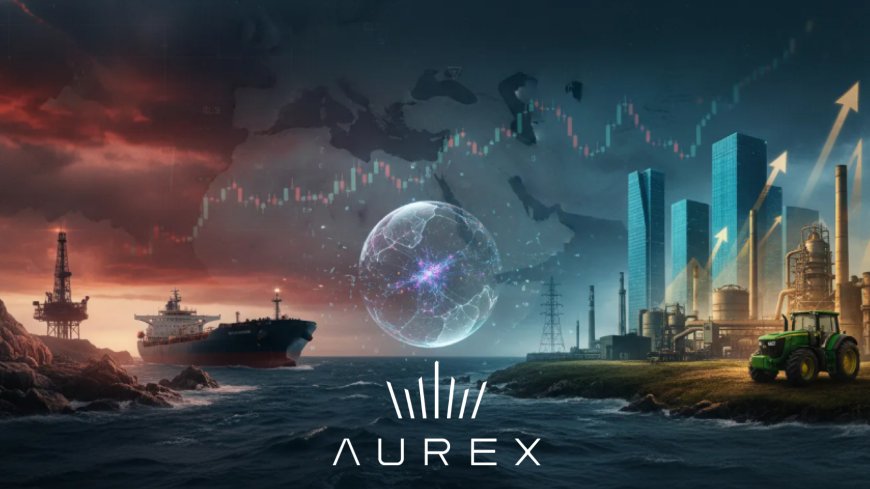
Markets are digesting three simultaneous shocks: a sudden geopolitical escalation in the Middle East that threatens global oil flows, a hard "show-me" moment for the AI industry, and a historic rotation away from concentrated mega-cap tech into old economy winners. Below I break down the facts, explain the market mechanics, and lay out clear, actionable steps for investors.
Quick summary - what’s happening right now
- Geopolitical shock: Iranian state media confirmed the death of Supreme Leader Ayatollah Ali Khamenei after joint US-Israel strikes. The Strait of Hormuz is the immediate chokepoint; roughly 20% of global oil transits there.
- Oil market reaction: Barclays warned Brent could exceed $100 per barrel. OPEC+ announced a voluntary April production bump of 206,000 barrels per day versus 137,000 expected, but logistics and transit risk matter more than headline supply numbers.
- Macro stress: US growth stalled (Q4 2025 at 1.4%) while January PPI printed hot: headline +0.5% m/m and core PPI +0.8% m/m, the hottest core reading in over a year.
- Tariff shock: A new 15% global tariff under Section 122 is another inflationary input that increases cost uncertainty.
- Market rotation: Breadth is strong, a 97th percentile reading of stocks making 52-week highs, and sectors like energy, industrials, utilities, and staples are leading.
- AI paradox: NVIDIA reported a blowout quarter ($68.13B revenue, data center +75%, guidance raised to $78B) yet the stock fell aproximately 7% in two days. Investors are demanding ROI, not just rhetoric.
- Real-world limits: Data center projects face local pushback (27,000 sq ft AI center blocked in New Brunswick; 25 projects canceled in January alone). The Pentagon is pressuring AI firms on guardrails (Anthropic example).
- Corporate capital discipline matters: Netflix rallied 14% after walking away from an $83B acquisition. February saw $233.3B in buybacks authorized.
- Political opacity: Recent reporting shows sizable trades by members of Congress and their families around high-sensitivity news weeks.
1) Geopolitics: why the Strait of Hormuz matters more than headline production
When a geopolitical event threatens a choke point that moves 20% of the world’s oil, traders price a worst-case premium immediately. Expect two forces to push prices higher in the short term: uncertainty over transit availability and insurance/liability premiums for tankers. Producers can announce higher production targets, but if tankers cannot leave the Gulf or insurers spike rates, the additional barrels are functionally trapped.
History matters. Traders often add a large, short-term geopolitical premium to oil prices during crises. The Russia-Ukraine episode is an instructive analog: prices spiked above $120, then fell as trade flows re-routed and markets adjusted. That pattern suggests a large initial move followed by potential retracement if physical supply channels remain intact.
2) Macro stitch: rising inflation meets slowing growth
The combination of weaker GDP growth and hotter-than-expected PPI is textbook stagflation risk. The Fed’s policy calculus becomes more difficult when employment and growth cool while upstream inflation accelerates. Add in a new 15% tariff and the policy trade-off becomes even tougher: cut to support growth or hold to fight inflation.
- Implication for rates: Hot PPI numbers reduce the probability of aggressive near-term easing. Markets may reprice Fed timelines and that will increase equity market volatility.
- Implication for portfolios: Inflation-sensitive sectors and hard assets (energy, commodities, inflation-protection like gold) deserve attention when upstream inflation is rising.
3) Market rotation: the market of the many is back
We’re in a rotation toward businesses that produce tangible cash flow: utilities, energy, industrials, consumer staples. Two data points matter:
- Breadth is historically strong: a very high share of stocks are making 52-week highs, that’s healthy and durable for a rally.
- Corporate behavior is shifting: February saw record buyback authorizations ($233.3B). Investors are rewarding capital discipline over empire building.
Practical rule: if a company returns capital and sustains cash flow, markets will pay for that in an uncertain macro environment. If a company chooses leverage and large acquisitions, expect a higher multiple haircut from markets pricing risk differently post-zero rates.
4) AI’s show-me moment and the physical limits of cloud-scale models
NVIDIA’s quarter is the clearest signal yet that the market has shifted from "buy the promise" to "show me the returns." A few threads to track:
- Sell-the-news: Stellar top-line results no longer guarantee multiple expansion if investors cannot see near-term monetization beyond infrastructure spend.
- Capex arms race: Amazon invests $50B into OpenAI and Meta signs massive chip supply agreements. This is not optional spend; it is a survival-level investment. The problem: those chips need power, water, and land.
- Local politics: Data centers meet NIMBY (Not in My Back Yard) resistance. Local approvals, grid capacity, and water rights are becoming binding constraints. Example: New Brunswick blocking a 27,000 sq ft center; 25 projects canceled in January.
- National security: The Department of Defense pressing companies (Anthropic reported ultimatum) to relax safety constraints for defense use forces a corporate governance choice: principles vs strategic revenue and national priority.
Equivalency: data centers are the new fracking. The tech industry must build a political and economic playbook for local wins, as energy companies eventually did, or face project-level cancellations that blunt AI deployment.
5) Capital allocation is the new competitive moat
Investors are loudly rewarding capital discipline. Netflix walking away from an $83B deal and immediately trading higher is a clean behavioral signal: buybacks and conservative M&A are preferred over risky expansion when capital costs are no longer zero.
Actionable investor principle: prioritize companies that can generate free cash flow, return capital to shareholders, or demonstrate disciplined M&A. Aggressive, debt-funded growth narratives will face higher scrutiny and lower valuations in this environment.
6) What I’m watching this week (priority checklist)
- Oil flows through the Strait of Hormuz and any credible confirmation of maritime route closures or tanker insurance spikes.
- PPI and CPI print cadence. Upstream inflation is leading indicators for consumer prices and Fed policy.
- NVIDIA guidance updates and commentary on AI monetization and pricing power for chips.
- Data center permitting and grid/water capacity appeals at a municipal level.
- Corporate buyback authorizations and large-capital-deployment announcements; preference for balance-sheet-light capital returns.
- Congressional trading disclosures if they continue to cluster around policy events.
Portfolio moves - concise, tactical rules
- Trim concentrated mega-cap positions where valuations imply perfect outcomes. Replace with diversified exposure to industrials, energy, and staples if you need yield and stability.
- Allocate a small inflation hedge: gold or short-duration commodity exposure. Real assets outperform in stagflationary setups.
- Prefer companies with active buyback programs and low leverage. Buybacks are the market’s current currency of confidence.
- Monitor AI leaders for clear ROI signals. Avoid buying purely on “AI” label without tangible revenue pathways.
- Size positions and use strict risk controls. Volatility will spike around geopolitical and inflation prints.
Concluding synthesis
We are in a structural pivot. Geopolitical risk is directly influencing commodity markets and inflation. Monetary policy is contending with hotter upstream prices. Markets are rewarding tangible cash flow and capital discipline while punishing speculative, capital-intensive growth without clear monetization. The AI industry’s pivot from unlimited optimism to real-world constraints: physical infrastructure, municipal politics, and government demands, will reshape how investors value the sector for years.
Sources and further reading
- US Bureau of Labor Statistics PPI data: https://www.bls.gov/ppi/
- Energy Information Administration (EIA) global oil flows and chokepoints: https://www.eia.gov/
- OPEC official releases: https://www.opec.org/
- Company investor relations: NVIDIA: https://investor.nvidia.com/
- Recent market reporting on geopolitical events and markets: Reuters (https://www.reuters.com) and Bloomberg (https://www.bloomberg.com)
